
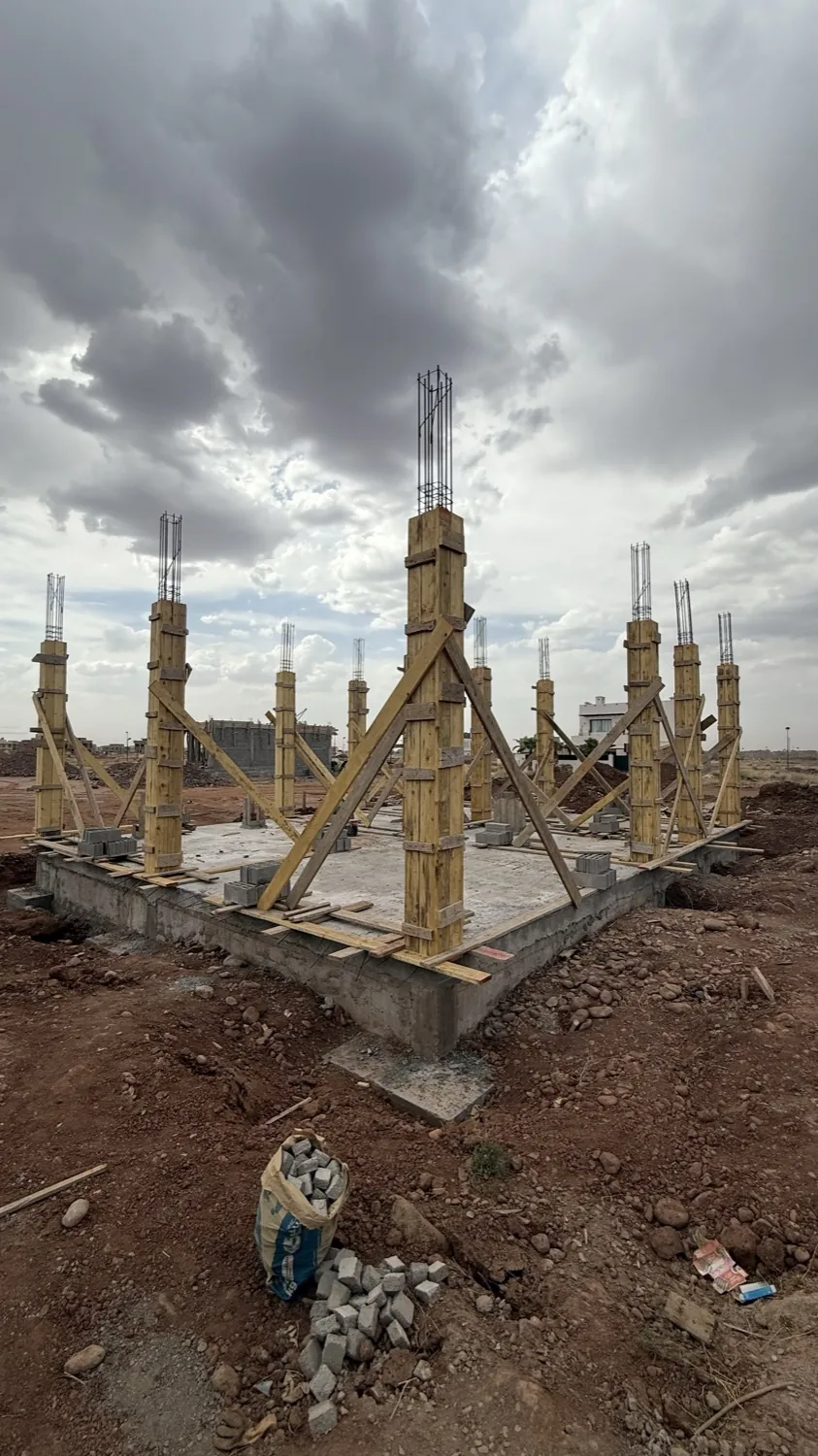
A builder is judged on countless details. Formwork is one of them — and not a minor one: it is what gives concrete its shape, its strength… and sometimes its beauty.
Timber and beams: the safe bet
From experience, the best formwork — and the most common one for houses — is timber, and more precisely beams. For larger buildings, you add metal panels or bakelised plywood (too heavy for a house without machinery).
At WALL, we put our money on the safety and comfort of our teams: we combine the two whenever possible.
The most important part: formed, sealed, vibrated
Beautiful formwork is not enough — the real issue is rigour:
- a structure that is properly formed and properly sealed, so the concrete does not escape during the pour;
- then properly vibrated, to avoid segregation of the concrete (when the gravel separates from the cement and leaves voids).
It is invisible once the house is finished. But this is exactly what sets sound concrete apart from concrete that will cause problems ten years down the line.
When concrete becomes decor
A little confession: I find the marks left by the beams on exposed concrete magnificent. When the formwork is done with care, the structure does not even need to be dressed up — it becomes decoration. That is the whole spirit of exposed concrete, provided you get it right.
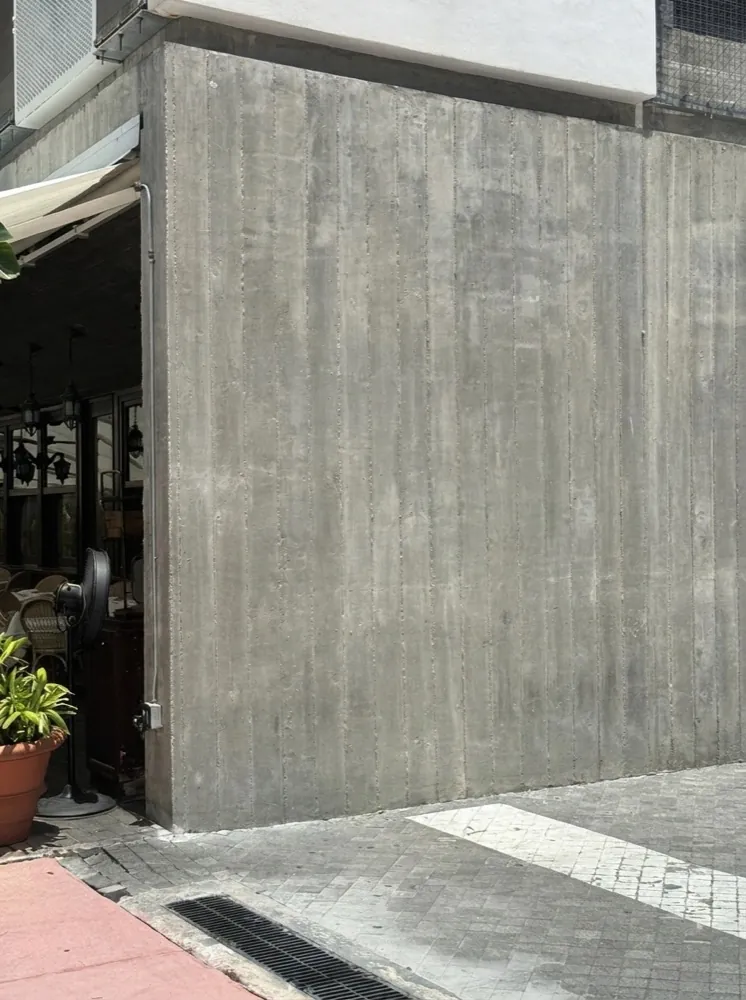
So formwork is not a detail. It is the kind of thing to watch for when you visit a construction site: better than any fine speech, it will tell you just how much care a builder puts into their work.