
People always talk about the structural shell — it’s impressive. But it’s often during the second fix that budgets spiral out of control. Here’s why, and how to avoid it.
What exactly is second-fix work?
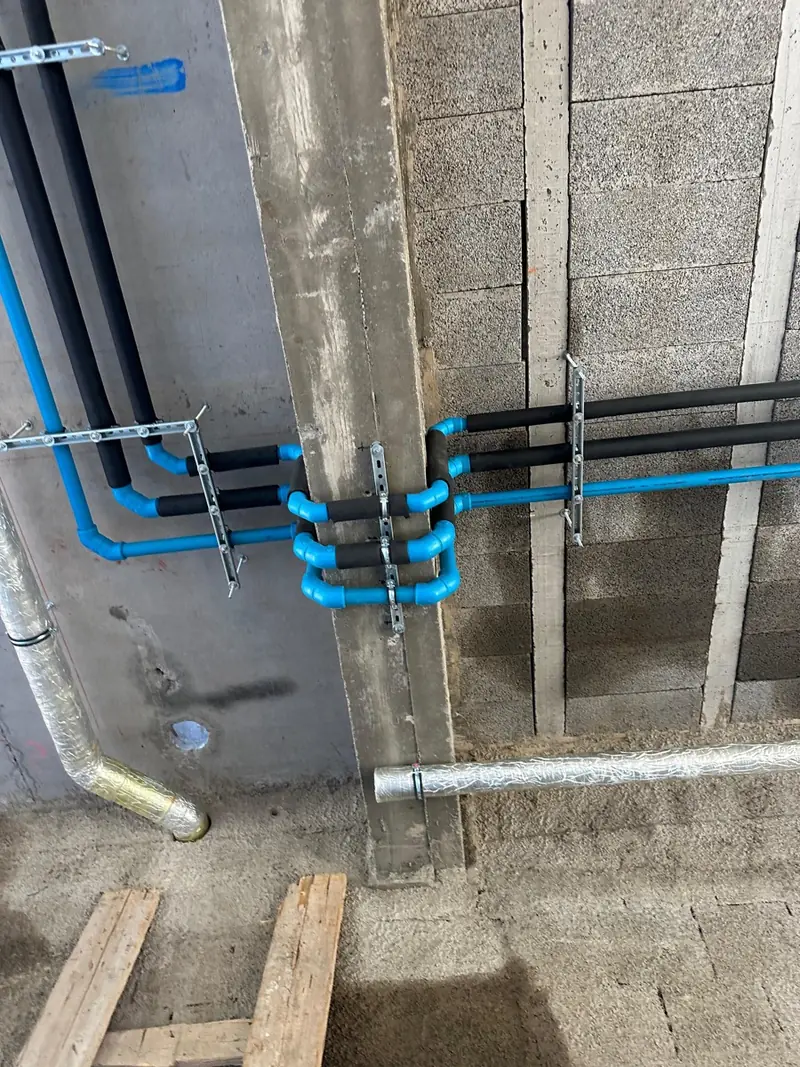
The structural shell is the skeleton: foundations, columns, slabs, concrete, steel. The second fix is everything that turns that structure into a place to live: electrics, plumbing, air conditioning, partitions, plaster, waterproofing, finishes, joinery, networks, suspended ceilings, lighting…
The real problem: coordination
What makes things complicated isn’t any one tradesperson in particular — it’s the lack of coordination between them all. An electrician on one side, a plumber on another, a plasterer somewhere else… and suddenly you’re the conductor of the orchestra, with no experience. Delays, rework, clashes between trades, blurred responsibilities: trouble comes quickly.
That’s why I recommend handing the second fix to a company capable of coordinating all the trades — ideally the one that built your structural shell: it already knows the site, the plans, the openings left in place, and the sensitive points.
Compare like with like
Watch out for trap quotes. With second-fix work, the cost can almost double from one company to the next — depending on the quality of the materials and the care taken over the details. A concrete example: the openings (the passages left for networks in the concrete).
Are they cut with a core drill or a jackhammer? It makes all the difference. A core-drilled hole is clean — but between setting up the machine, calibrating it and drilling, which ties up two people non-stop, you should count a solid 30 to 45 minutes per hole. We have estimated that a single core-drilled hole costs the company at least 350 DH (the time, the investment in the machine, the labour, the wear and tear…). And a house easily needs fifty or so of them, when the openings haven’t been anticipated — which is the case 8 times out of 10.
Do you see the difference? Not everyone uses this “clean” method. So don’t be surprised if the lowest bidder turns up with a jackhammer — at the risk of damaging your slab and leaving you with a disproportionately large hole. There are dozens of calculations like this in second-fix work.
My advice
A single point of contact, who follows through, coordinates, checks and takes responsibility. And before you sign: ask for as much information as possible about the materials and the methods. The cheapest per m² often hides the most expensive in the end.