
A basement is one of the decisions that weighs most heavily on a villa’s budget. And yet, people often opt for one “just in case.” Here’s how to decide.
First, the number that gives you pause
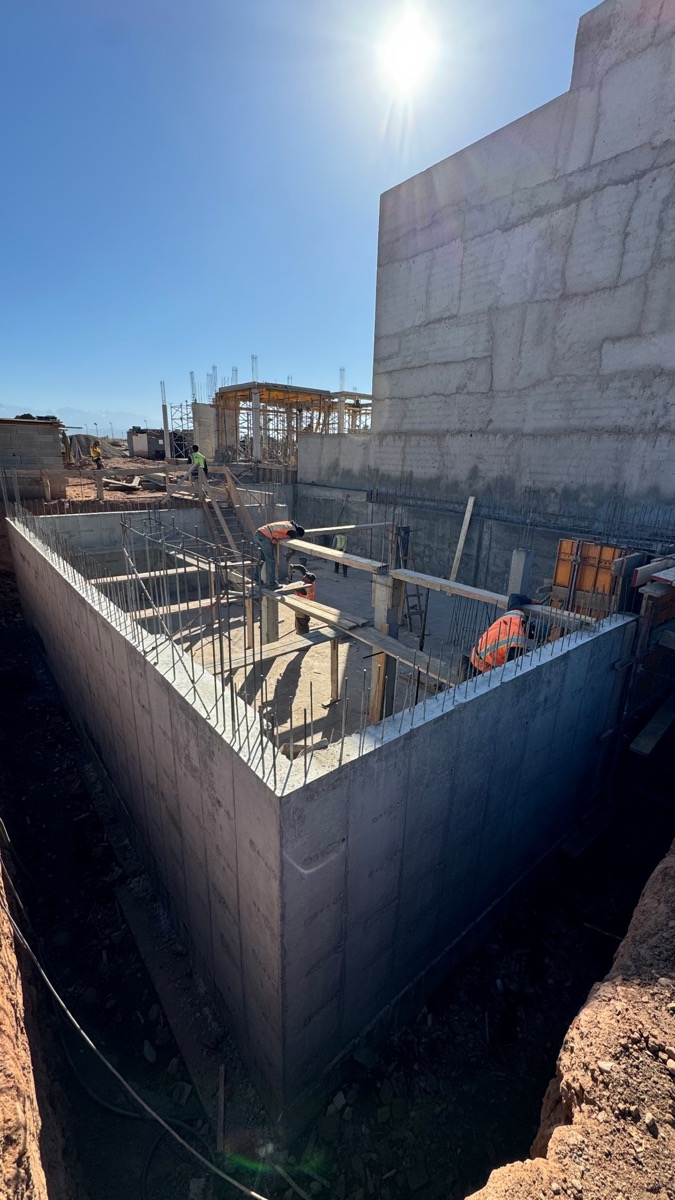
Think twice before including a basement. Excavation, concrete walls, waterproofing, ventilation, access, utilities, finishes… on average, a basement can increase the cost of the house by around 30%.
This isn’t “a little extra concrete”: it’s a genuine project within the project, and it also adds to your timeline (figure on roughly 2 extra months of structural work).
When a basement is a good idea
If it has a clear purpose, it can be entirely worthwhile — and even a real luxury:
- a home gym or a home cinema;
- storage, a laundry room, a cellar;
- living quarters (for staff, guests);
- a technical room (pool equipment, boiler room…);
- parking when the plot is small.
In these cases, the basement frees up space above ground for the garden and natural light — that can be a smart move.
When it wrecks the budget
If it’s there “just in case,” with no defined use, it’s likely to do serious damage to the budget — for square meters that end up underused. That money would often be better invested elsewhere: higher-quality materials, a nicer finish, real landscaping.
My take
Ask yourself a single question: “What is it actually going to be used for?” If you have a precise answer, go for it. If you’re unsure, that probably means you don’t need it.
As always in construction: I prefer quality over quantity. A well-designed house without a basement beats a house that buried 30% of its budget underground.